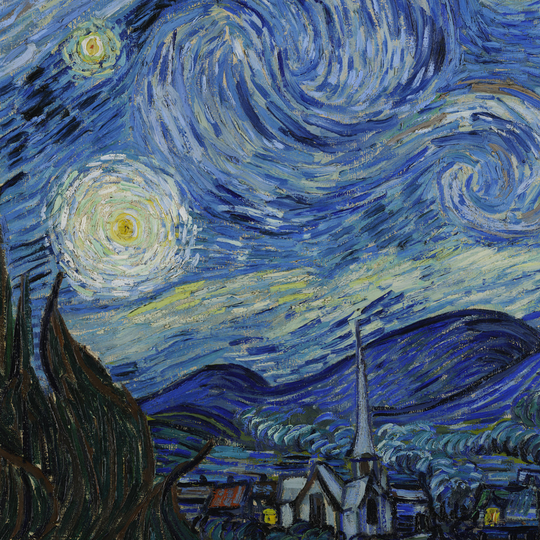
While some are drawn to the strong brushstrokes of Van Gogh’s The Starry Night, others prefer gazing at the gilded glory of Klimt’s The Kiss, but one thing is certain: people love art. In fact, each month, there are more than 500 million art-related searches on Google. Now whether you’re a casual fan or a true culture vulture, Google can help you become an art expert. Starting today, when you search for art-related things, you’ll have access to more relevant results and the ability to dive deeper into topics of interest. We’ve also added a new
Source:: Searching for art just got better. Where will you start?
by Michael Cropper | May 30, 2017 | Digital Pulse |
Having your brand on social media is a no-brainer. With enough how-to and best practice documentation out there to exceed Gmail’s current inbox capacity, the vast majority of organizations know what they need to do to build an active and healthy social media presence.
What isn’t so obvious, however, is what not to do.
We asked our Twitter followers what they felt are the biggest social media no-nos that brands commit. This is what they told us.
Bonus: Get the step-by-step social media strategy guide with pro tips on how to grow your social media presence with Hootsuite.
Too much focus
Source:: The Things Brands Do on Social Media That People Hate
by Michael Cropper | May 30, 2017 | Digital Pulse |
When your goal is to get the most conversions from your marketing budget, it can be challenging to set the right bid and bid adjustments. Where do you spend your next dollar to get your next customer? To help you make the most out of your budget, we’re introducing Maximize Conversions: a new
by Michael Cropper | May 30, 2017 | Digital Pulse |

Street View started out as Larry Page’s far-fetched idea to create a 360-degree map of the world. Today, 10 years after the first imagery was published in Street View, people can scale mountains, dive into the depths of the ocean, scout out ramen spots, and walk through museums in far corners of the world. Over the last decade, a lot has changed—the technology we use, the appearance of the planet—but the goal of Google Maps has remained the same: to help you navigate and discover new corners of the world. Now raise your
Source:: Cheers to Street View’s 10th birthday!
by Michael Cropper | May 30, 2017 | Digital Pulse |
Street View started out as Larry Page’s far-fetched idea to create a 360-degree map of the world. Today, 10 years after the first imagery was published in Street View, people can scale mountains, dive into the depths of the ocean, scout out ramen spots, and walk through museums in far corners of the world. Over the last decade, a lot has changed—the technology we use, the appearance of the planet—but the goal of Google Maps has remained the same: to help you navigate and discover new corners of the world. Now raise your
Source:: Cheers to Street View’s 10th birthday!
by Michael Cropper | May 30, 2017 | Digital Pulse |
Street View started out as Larry Page’s far-fetched idea to create a 360-degree map of the world. Today, 10 years after the first imagery was published in Street View, people can scale mountains, dive into the depths of the ocean, scout out ramen spots, and walk through museums in far corners of the world. Over the last decade, a lot has changed—the technology we use, the appearance of the planet—but the goal of Google Maps has remained the same: to help you navigate and discover new corners of the world. Now raise your
Source:: Cheers to Street View’s 10th birthday!
by Michael Cropper | May 30, 2017 | Digital Pulse |
Social media data on followers, likes, comments, and shares are often dismissed as “vanity” metrics—meaningless figures that one should avoid when trying to prove the value of social activity.
At the same time, these metrics are the currency of social media. As the person responsible for your organization’s presence on social media, these metrics are critical indicators of whether your hard work is paying off.
And therein lies the debate. To some, the number of likes on a post is meaningless. To others, it means everything.
Are all social metrics “vanity” metrics by default? No. But how you use them makes
Source:: Do Vanity Metrics Matter on Social Media? Yes (And No)