Select Page
7 new columns for QS components are now available in keyword reporting

There are two important things to know about these columns:

  1. They reflect the last known score for the date range you selected. Note that historical data won’t be available for dates earlier than January 22, 2016.
  2. If you apply the “Day” segment to your Keyword reports, these columns will show …Read More

    Source:: Gain deeper insights with improved Quality Score reporting

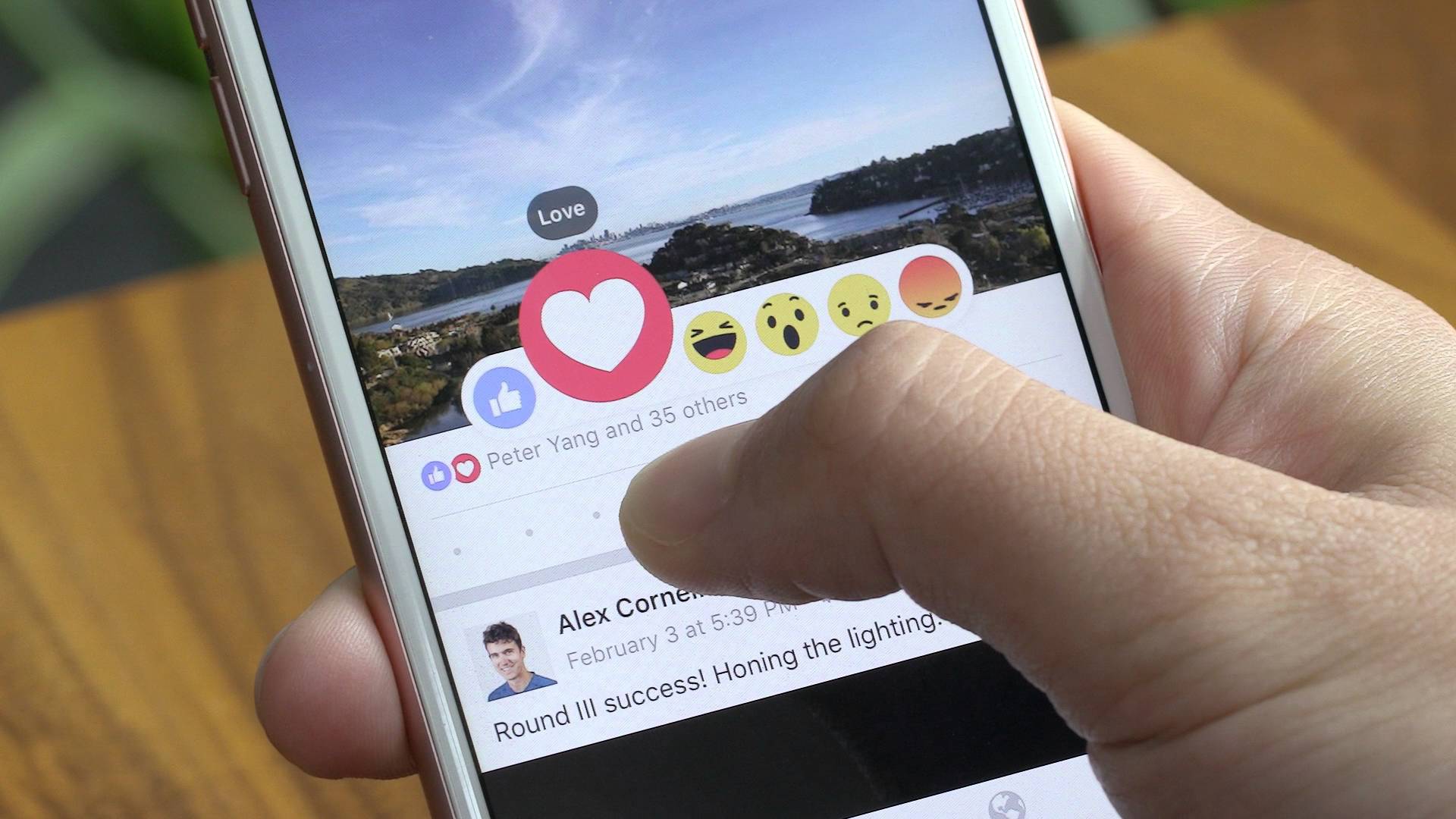
    Facebook Reactions: What They Are and How They Impact the Feed

    Facebook reactions were used over 300 billion times during their first year of existence. That’s 800 million a day.

    Yes, fellow Facebook citizens, it seems we have a lot of pent-up emotion to share.

    Much more than cute icons, Reactions have given users the ability to express themselves on Facebook beyond a simple thumbs up. Life is, after all, a nuanced affair and not every moment is like-worthy.

    In this post, we’ll take a look at everything you need to know about Facebook Reactions—how they impact the feed, and how brands can use them to their advantage.

    What are Facebook reactions?

    Reactions are …Read More

    Source:: Facebook Reactions: What They Are and How They Impact the Feed

    The Twitter Algorithm: What You Need to Know to Boost Organic Reach

    With more than 500 million tweets sent each and every day—and up to a record of 143,199 tweets in a single second—it’s easy to see how some important updates could get lost in the shuffle.

    Enter the Twitter algorithm, a mathematical formula that works in the background to help ensure that the most important tweets appear at the top of your timeline each time you log in.

    What is the Twitter algorithm?

    According to Twitter, “Tweets you are likely to care about most will show up first in your timeline.”

    In simple terms, the Twitter algorithm is the …Read More

    Source:: The Twitter Algorithm: What You Need to Know to Boost Organic Reach

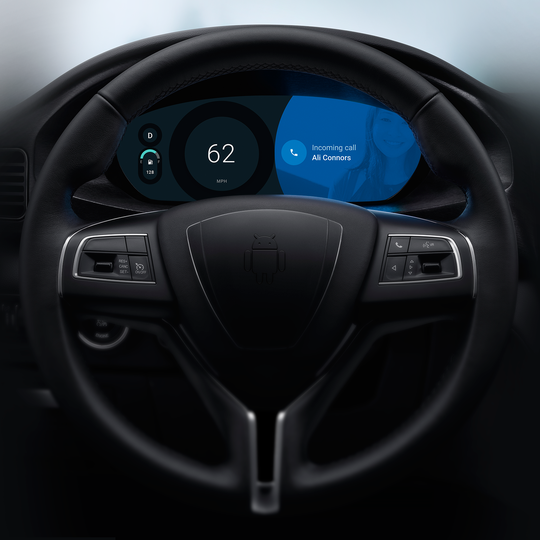
    Smarter cars powered by Android

    Remember paper maps? Long before GPS, in-car navigation systems, and smartphones, you may have kept stacks of them in your car. Or maybe you stopped by a gas station for directions or a pay phone to tell someone you were running late.

    The world is pretty different today―we expect to be connected, no matter where we are. That’s why Android Auto is designed to give drivers an easy way to access the information they need―navigation, streaming audio, and communications—while minimizing the distractions they don’t need.

    Since its launch three years ago, Android Auto has grown to be supported …Read More

    Source:: Smarter cars powered by Android

    Smarter cars powered by Android

    Remember paper maps? Long before GPS, in-car navigation systems, and smartphones, you may have kept stacks of them in your car. Or maybe you stopped by a gas station for directions or a pay phone to tell someone you were running late.

    The world is pretty different today―we expect to be connected, no matter where we are. That’s why Android Auto is designed to give drivers an easy way to access the information they need―navigation, streaming audio, and communications—while minimizing the distractions they don’t need.

    Since its launch three years ago, Android Auto has grown to be supported …Read More

    Source:: Smarter cars powered by Android