Select Page

Having a Play with Oculus Rift and Google Glass at Get Digital Manchester

Last week we attended the Get Digital event in Manchester to look at some of the latest technology hitting the market and what this means for businesses and consumers. The event was organised by The Business Growth Hub. The organisation is designed to help ambitious businesses increase revenue through support across a range of areas. One of their key focuses is around digital and creative skills, which there is an enormous skills gap in the market. If you are based within Greater Manchester, then take a look at how they can help and also find out more about the Superconnected Cities grant where businesses can access up to £3000 towards superfast broadband.  

Throughout this blog post we are going to take a look at some of the cool technology we got to play with at the Get Digital event including the Oculus Rift to Google Glass and a Bluetooth beanie. This isn’t just about the technology though, this is about how the technology is being used in the real world and the applications that this technology has for everyone. All of this technology is blending the digital and physical worlds and enriching our lives as consumers.


Oculus Rift

The first piece of technology we got to have a play with was the Oculus Rift. If you haven’t come across this before, the Oculus Rift is the latest virtual reality headset designed for the consumer market when it is officially launched later in the year. What you can see in the image below is me wearing a rather odd looking headset. What I am seeing inside the headset is what you can see on the screen behind with the left and right eye being slightly different views to give a true 3D immersive simulation. 
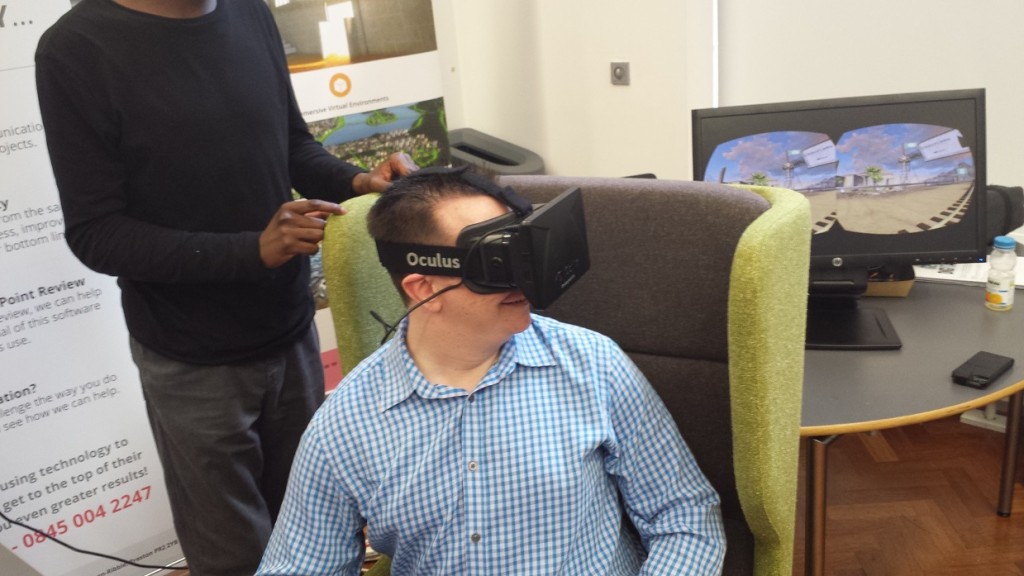
 

Trying out the Oculus Rift


The simulation was a rollercoaster which went through some amazing landscapes including past the Great Pyramids of Egypt. Lasting around 3-4 minutes till the end of the rollercoaster, it was amazing being fully immersed in the virtual environment and being able to turn my head in any direction to get a true 360 degrees view at any point within the simulation. Truly ground breaking. What was really interesting was that you could actually ‘feel’ what your eyes were seeing as the rollercoaster went down large drops. Maybe that tells you something about how I feel about rollercoasters more than anything. Very odd when you can experience something virtually and get the feelings of the rollercoaster whilst being sat still in a chair. To see this in action, this video below is a useful one which shows a similar setup on a rollercoaster;


This is unlikely to ever be a replacement for the real thing, although it is interesting to think of some of the applications for this technology. Sure, the rollercoaster simulator is one that grabs your attention but think about a few other scenarios past the gaming world. Imagine a 3D 360 degree virtual tour around stunning landmarks around the world without ever having to leave your house. Imagine being able to walk through a city in a 3D world while getting a full 360 degree view of what is happening. Here is what the Oculus Rift looks like from the other end;
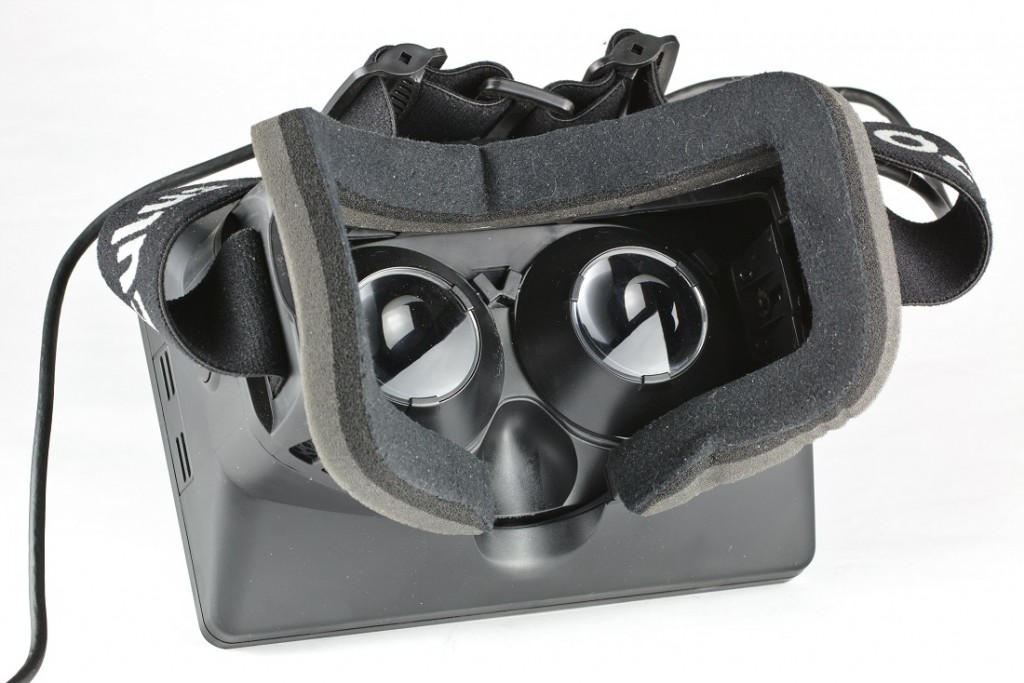
 

Oculus Rift Development Version

Source: Wikimedia


No doubt this technology will have some innovative uses in the very near future as people start to see what is possible with this. For example when joining this up with platforms that allow you to walk around a 3D environment using a device like you can see in the bottom right of the image below;
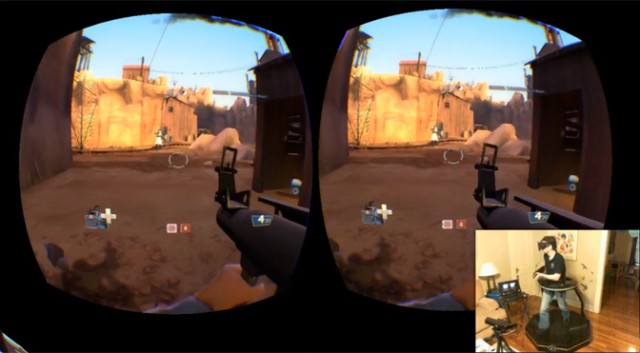
 

oculus-rift-teamfortress-omni-treadmill

Source: Extreme Tech


Google Glass

The next bit of technology we had a play with was Google Glass. I’m sure you will have heard about Google Glass before, but if not, then essentially this is a product recently launched by Google that is designed to provide information through a tiny projector within the glasses. Meaning that you can connect Google Glass to your phone and the internet to pick up on any information you can imagine. In addition, Google Glass also comes with a camera which is built in along with audio which works through bone conduction which is really interesting.  
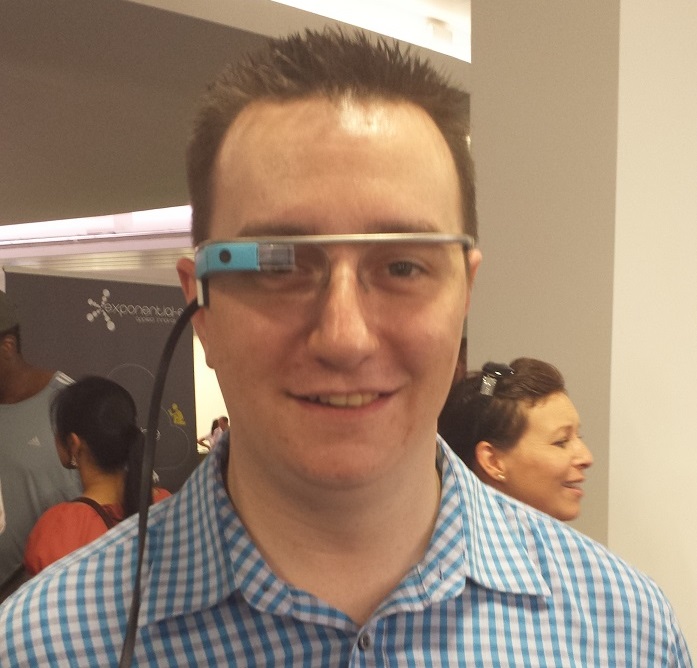
 

Trying out Google Glass


The people demonstrating Google Glass are from Manchester Metropolitan University who have recently been working with Manchester Art Gallery to look at interesting ways to enhance the experience of visitors to the gallery. You may have seen a recent article in the Manchester Evening News paper which talked about this briefly and another whereby one reporter was a little underwhelmed by the whole experience.

The idea behind the trial at Manchester Art Gallery is to provide visitors additional information about the paintings they are looking at such as the date the painting was created, where it was painted, the type of material used and the dimensions of the painting along with other information about the painting. Sure you can have all of this on a small placard next to the painting, although this is a single static piece of information which often doesn’t give you any context. For example, imagine being able to say “OK Glass, find more paintings in this art gallery by this artist”. This connection is how Google Glass can really enhance the experience for people.

Here are a few examples of what I was seeing through Google Glass, the content on the smartphone is being beamed from Google Glass so we can see it easier when showing you here;
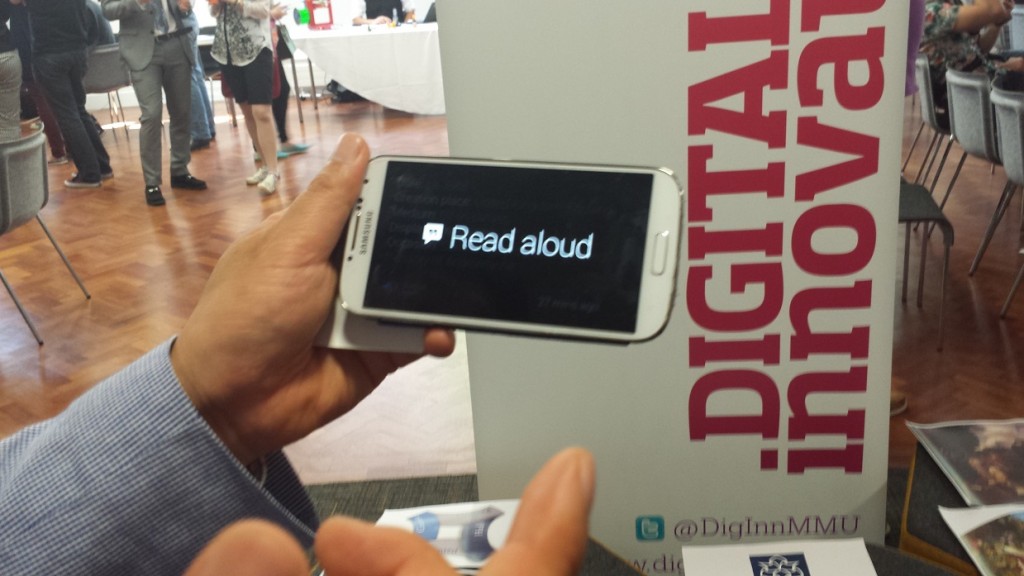
 

Manchester Art Gallery Google Glass Input

For example if you would like Google Glass to read information out aloud to you.
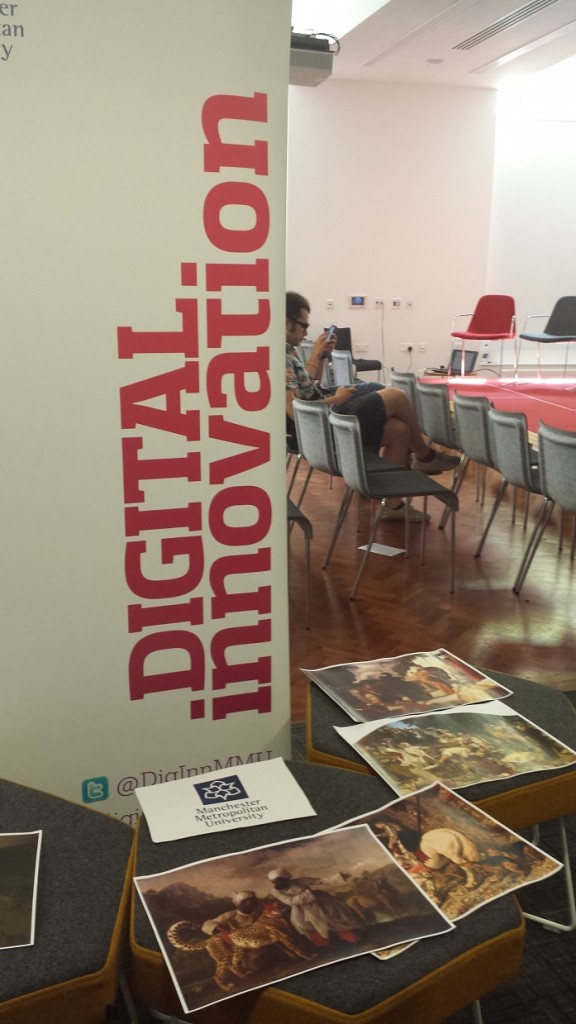
 

Manchester Art Gallery Google Glass Paintings

The several paintings at Manchester Art Gallery that are part of the trial. 
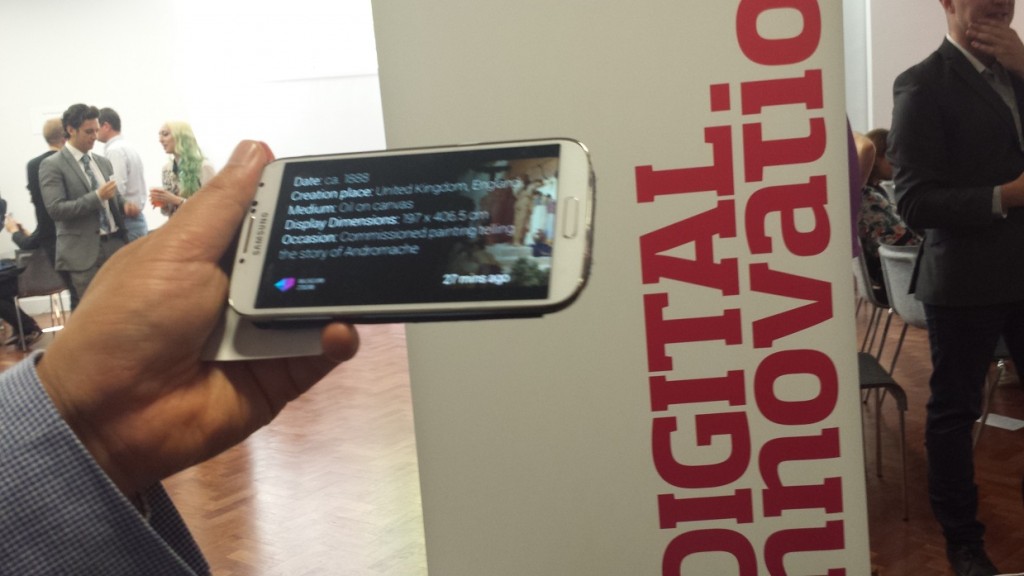
 

Manchester Art Gallery Google Glass Information

Additional information about the painting that you are looking at.


Traditionally in art galleries if you want to find out more information about everything you would walk around with one of those clunky audio guides which quite frankly are hideous and not very user friendly. Google Glass can essentially replace these and add an extra dimension of information at the same time through the wireless connectivity with the internet.

Google Glass is essentially still in the prototype stage and it will be interesting to see how this takes off when launched fully to the public. Personally I found the experience of using it a little strange at first, although I have no doubt that as these new technologies enter our lives that we will start to get used to them as they really start to help us with what we are doing.  


Bluetooth Beanie

At home you have to charge your mobile phone, laptop, tablet, toothbrush and now your beanie. Introducing the Bluetooth beanie from Bluefingers. That’s right, a hat that connects to your mobile phone via Bluetooth to stream music directly into your ears. Because that tiny wire for your headphones is such a pain. 
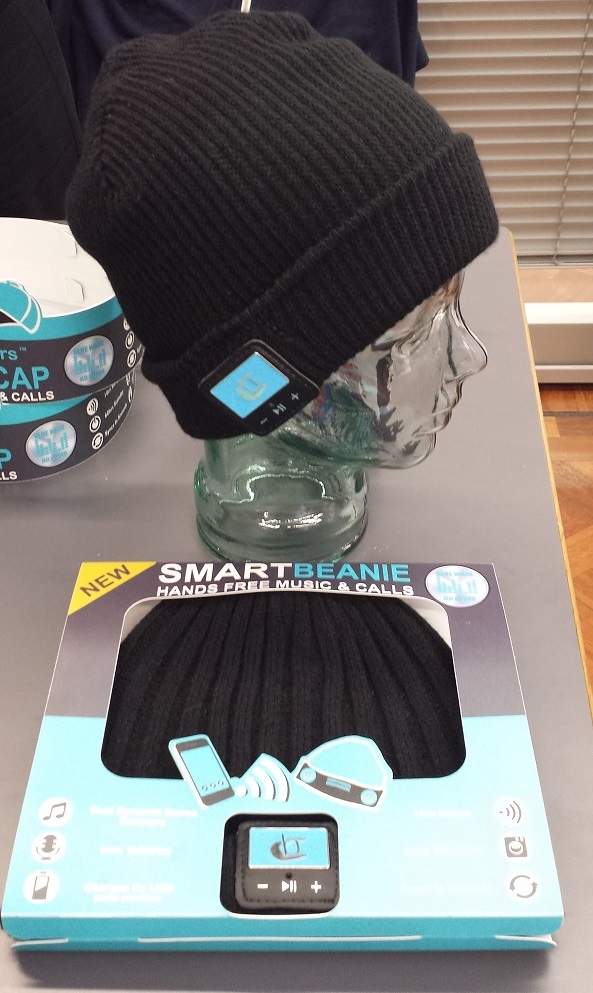
 

Bluetooth Beanie


Wearable technology is breaking into the fashion world and is already starting to be looked at seriously by several large retailers both in the UK and the US. While you may be thinking, ‘why’ about a product like this right now, I can assure you that you will start to see a lot more products like this coming into the market over the next few years. Take for example with Burberry who are already embedding RFID chips into their clothing so they know when you re-visit the store again in the future.


Panel Discussion

The final part of the day included a panel discussion from startup companies who are already selling wearable technology to councils and futurologists. The discussion was titled “Future of Technology: World of technology VS the business world, education and cities’ infrastructure. Where will we be among all this? How will technology impact our everyday lives?”
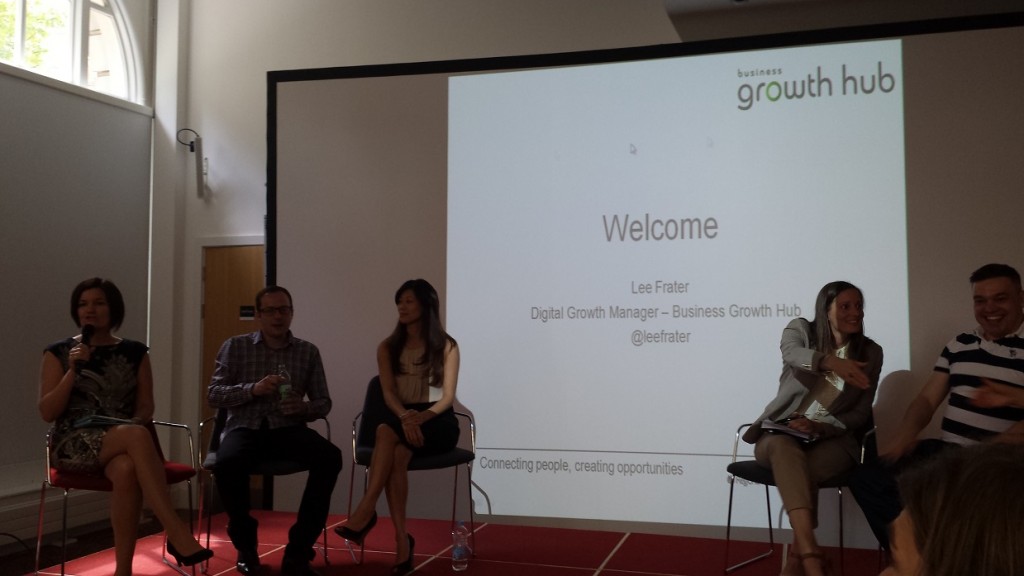
 

Panel Discussion at Get Dgiital


Some interesting points to come from the discussion from Mike Ryan included a prediction that 33% of jobs will disappear by 2030 as computers and technology start to replace laborious jobs with systems that automate work. We just have to look at the taxi booking application Uber and the amount of uproar that has been caused from this technology throughout the world.  

Another interesting point was made around education and that we cannot continue with the current model whereby we ‘learn’ for the first 18 or so years of our life then expect to use that knowledge for the rest of our careers. With how fast technology is moving and how this is having a significant impact on jobs, we need to seriously start to re-think the idea of education and start to look at a life-long learning model.

Taking this one step further, MIT recently completed some research around productivity within businesses and income for the workers. What they found was the ever increasing gap between productivity and income, meaning that as productivity and revenue increases for businesses, these increases aren’t seen by the people employed by those companies as a whole. The image below highlights this very well;
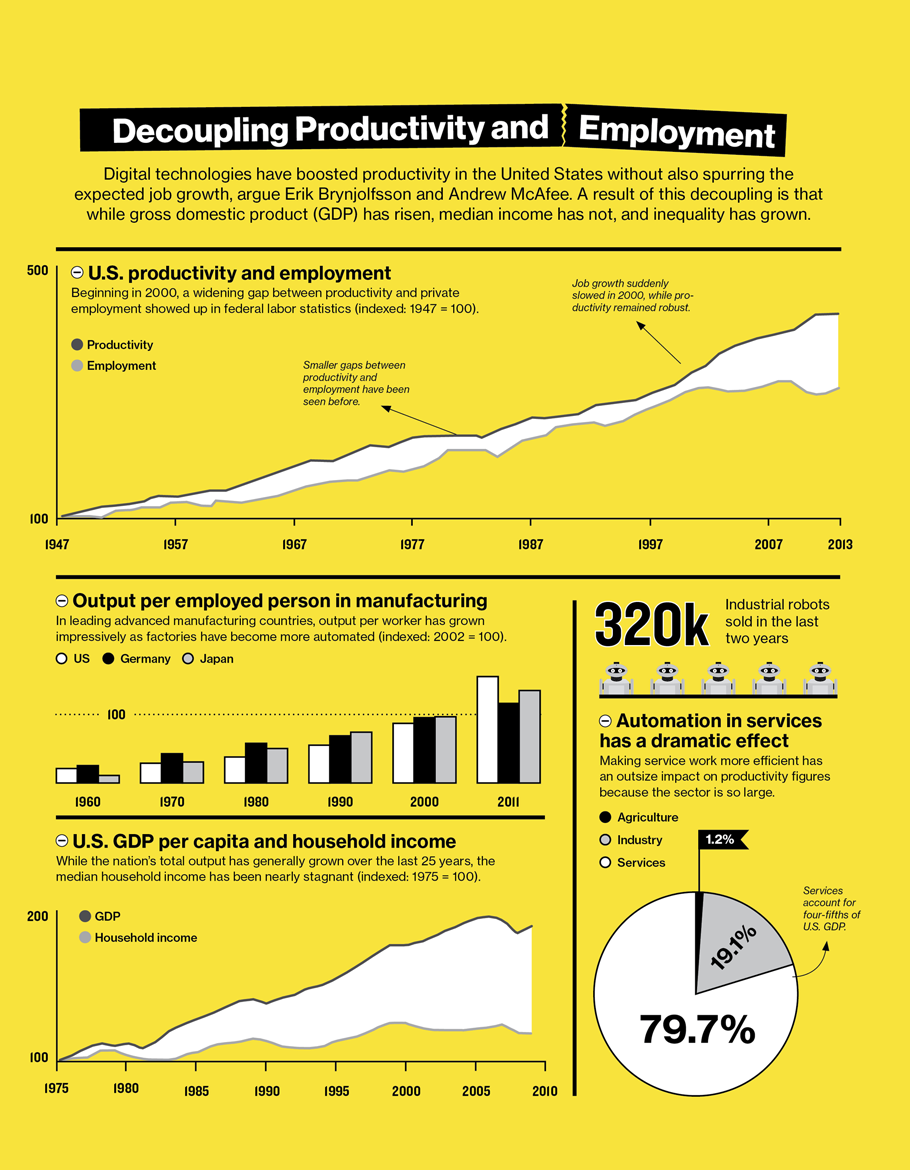
 

MIT Productivity VS Income


Why this is interesting is because of something known as GVA, or Gross Value Added as it is otherwise known. If you aren’t familiar with this terminology, Gross Value Added is a measure of the value of goods and services produced. Wikipedia describes GVA as;


“Over-simplistically, GVA is the grand total of all revenues, from final sales and (net) subsidies, which are incomes into businesses. Those incomes are then used to cover expenses (wages & salaries, dividends), savings (profits, depreciation), and (indirect) taxes.”


As a further simplification on the above, GVA has a direct link to job creation and job security within the economic world. GVA is the measure that is used throughout government and European funded projects to determine the ‘success’ of a project in terms of jobs created or secured. The problem here is that this is at odds with what is actually happening in the real world, specifically around how technologies are allowing companies to work more effectively while still utilising the same amount of people to accomplish that goal.

It was argued within the panel that this model needs to be seriously looked at as we are going to have a real problem in the future as technology simply replaces people’s jobs. Which links back to the idea of life-long learning so people can move away from laborious work and into something more valuable which a machine isn’t able to replicate (yet).

If you keep a close eye on the discussions in the news, you will see how there is talk around how lawyers are going to be put out of jobs with technology, how accountants are going to be put out of jobs with the likes of Xero appearing on the market and so on. While a lot of this is often scare mongering by the publications, this is a serious area that needs to be thought about. We have experienced this with clients we work with, whereby systems we have introduced have resulted in significant time savings within the business for members of staff by automating a specific function. While this is great to be able to work on projects like this, it is a growing area and one where as a society we need to start thinking about how this has an impact on what we currently measure ‘success’ on, which is jobs.

Technology and the fear of “technology taking our jobs” is nothing new. This same argument has been around for hundreds of years with the Luddites smashing stocking frames back in 1799. Although I personally believe that now we are at a time when technology is moving at such a rapid rate that we really need to start to consider how this is impacting on the society we live in. Enough of that for now though, let’s get back to looking at what other points the panel made during their discussions.

Another interesting point made by the panel was around the ‘Covent Garden Effect’ which is talking about how cities and town centres need to move away from this idea of shopping on the high street and moving into more entertainment based. Products and services are often much cheaper online than in shopping centres due to the fact that you don’t have the large overheads to pay. Turning cities into fun places to be will lead to a shift in how citizens use meeting places for fun activities for the whole family. Not simply bars and restaurants, but something livelier. It was argued that many of our cities in the UK are too bland and that we need to put some life back into them. Looking at examples of how the Dutch transform their cities into something a little more exciting. One example was around playing Tetris on the side of a building for example which has already been set up by MIT previously;


Overall, by making cities more entertaining spaces to be then we will move away from the shopping based approach and more for something for everyone to enjoy. Another example in this area was around banks and branches, how you simply don’t need thousands of branches around the country, instead you can simply have a few supercomputers. This was highlighted at a recent talk from Barclays bank whereby they talked about the systems powering the whole banking system from website, bank transactions and ATMs which is simply 4 mainframes and 2 database servers. When you think of the scale of a banking system and it is ultimately running on a few very powerful computers it makes you think about where things are heading. Traditionally this would have been a lot of people doing the same processes, but manually.

Next up was Eva Pascoe talking about digital futures. Eva was the first person to create a cyber café in London called Cyberia. An interesting point made was that we don’t currently have inclusivity with digital technology. Currently the focus is around well educated people being able to utilise digital technologies, whether that is through the high end consumer technology products or on the educational side around computer programming. The point made was that the future needs to include everyone with digital and make sure that anyone can access digital technologies with ease, regardless of how wealthy or well educated you are.

An interesting point was about how we are still people who like to share things, create communities and talk about things. This hasn’t changed with technology, it just means that the technology is allowing us to do this in a different way than before. An example given was around the new craze of Toast Art where people are sharing their artistic creations of food on social media channels, which is often referred to as ‘Food Porn’ (probably not the best idea to Google that while in work…).

Following on from this, the talk was around the environmental impact of fast fashion and how 3D printing can help to overcome some of these issues. Currently as a society we waste an awful lot when we don’t need to which is often caused by the constant desire for new and fresh things. An interesting idea was around biodegradable 3D printed shoes, which means that you can print, recycle, then print again in a new style without having to waste a lot of materials each time. 
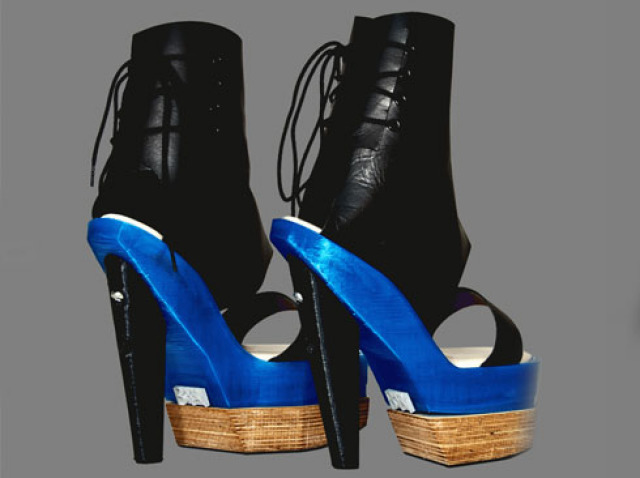
 

3D Printed Shoes


Source


It was then mentioned about linking in city information into wearable technology like Google Glass. Imagine sending sensor information from around the city into Google Glass and Maps for exactly where the parking spaces were available. To a lesser degree, this has already been implemented over in Santander in Spain.

Following on from this, the term ‘Urban Informatics’ was brought up which essentially is all around using data to better understand how cities work. Think of this like a ‘City API’ where you can access any data about a city for whatever you need.  An important point was made around privacy and that there needs to be a balance between the benefits of new technology and the privacy issues that come from this. Currently, data often belongs to the businesses that capture your information as this is a valuable asset to them. Although as a user, you are often sceptical about giving your data away for fear of how this will be used in the future. Instead, for a sustainable future in this area we need a system where the benefits are clear and privacy issues remain minimal, so the user will ultimately own their own data. Meaning that if they like, they can have any data about them removed from the system. Until this approach is in place, people will continue to distrust services that capture data as they aren’t sure how this will be used in the future.

A somewhat interesting point was made around how ‘the cloud’ is not sustainable. Every service you access on the web is cloud technology in the background. After running an ISP previously, Eva talked about how ISPs and other providers of cloud technology need to be doing more to be environmentally aware since the power consumption for running large server farms is staggering. One example given was around situating setups in cold climates to reduce energy usage on air conditioning and also situating sites near renewable energy sources such streams and rivers, very similar to how traditional cotton mills were created. Then the talk turned to the idea of a personal cloud which is already available now and is something that I expect to see more people looking at as privacy concerns are raised.


Summary

Overall the event was a great opportunity to look at some of the future technology that we are going to see coming into our lives over the next few years and how this is really going to change the way businesses and consumers interact with digital. While this technology offers a lot of benefits to us, we also have to seriously think about privacy concerns and how this impacts jobs and the economy that we live in. What we can be sure of is that technology is moving fast and companies need to be quick on their feet to compete. 
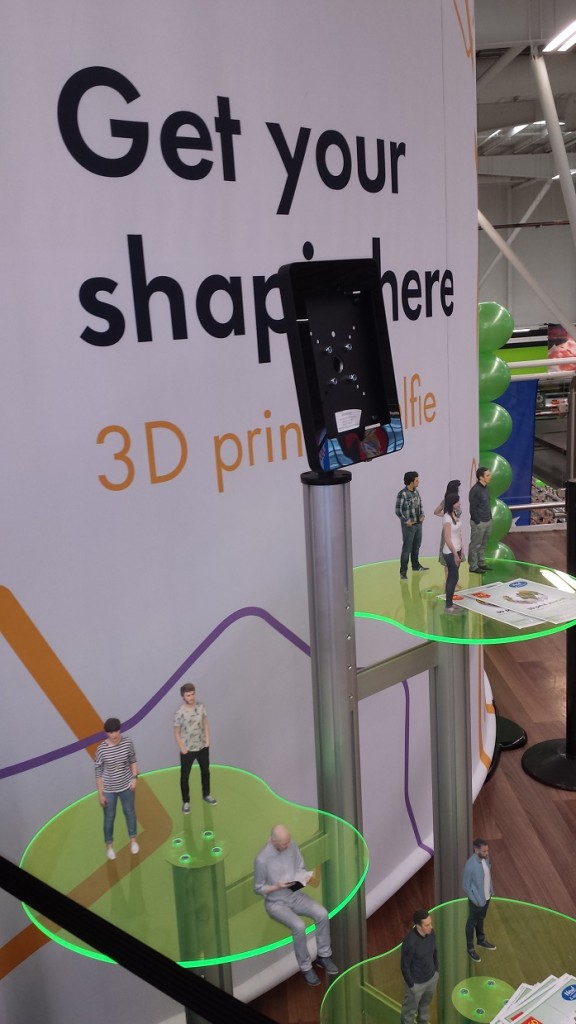
The Changing Face of Retail 3D Printed Mini Me

The world we live in is changing faster than ever with new technologies and ever increasing customer expectations. Retail is one area that will always be at the forefront of this change as customers are often further ahead with technology than businesses.

Over recent years we have seen supermarkets significantly expand the range of products and services they offer. Food and drink, clothing, homeware, technology, entertainment, DVDs, photos, opticians, dentists, chemists, the list goes on. Now we are starting to see 3D printing technology enter the supermarket environment.


ASDA 3D Printed Mini Me

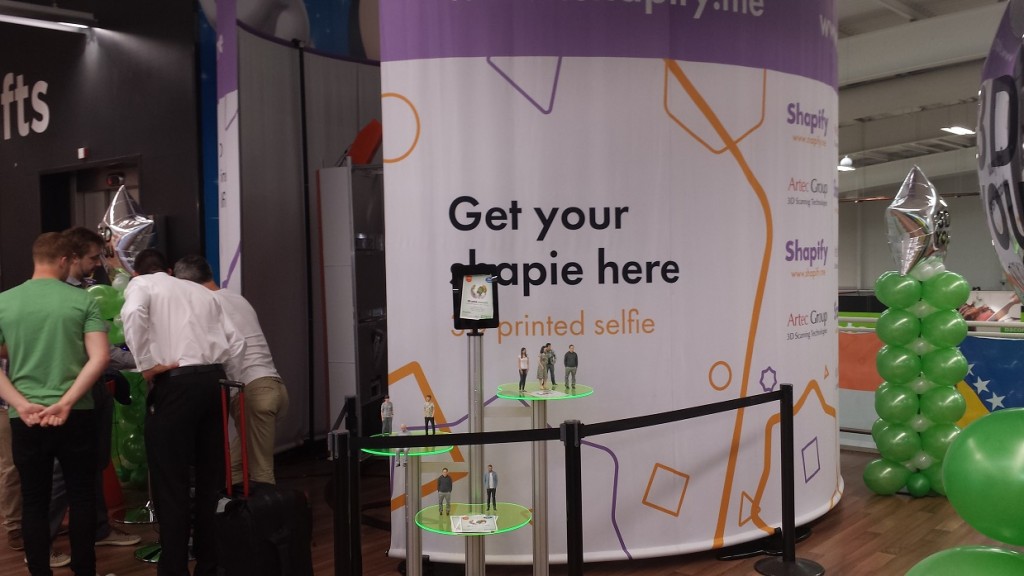
After spotting an advert on Facebook to get a 3D printed mini me only a few miles away at Trafford Park ASDA, I thought I would head down and get one done, especially since they were at the bargain price of only £60 during the trial period. The technology behind the 3D printed models is Shapify.me which can also be used to 3D scan yourself using your Kinect at home which is amazing. 


3D Printed Mini Me


This was a trial for ASDA that was running for only one week, so we couldn’t miss this opportunity to look at where this technology is heading. Especially how this technology is breaking into the supermarket customer experience. This shows that ASDA is taking this new technology seriously and is clearly testing this to see where the opportunities lie over the next few years.


Augmented Reality Mirror

Supermarkets continue to evolve and I imagine we will start to see the introduction of other really cool technology such as the augmented reality mirror that customers can use to try on make-up. Watch the cool video of this below;


How the mini me is created

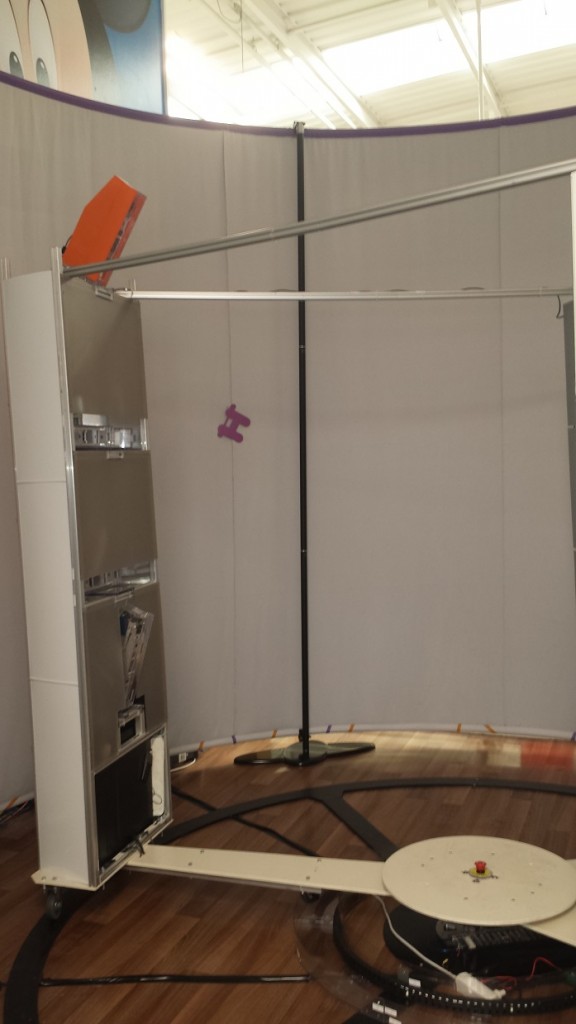
To create the mini me 3D printed character, the first stage is to step into the scanning device you can see below;


3D Printed Mini Me Scanning Booth


Once you step inside you stand in the middle of the contraption which then spins around you on the circular rail you can see at the bottom of the image. Staying still and focusing on the purple dot on the wall, the device spins around you taking lots of pictures and scanning you to understand the shape of you;


Scanning Area for 3D Mini Me


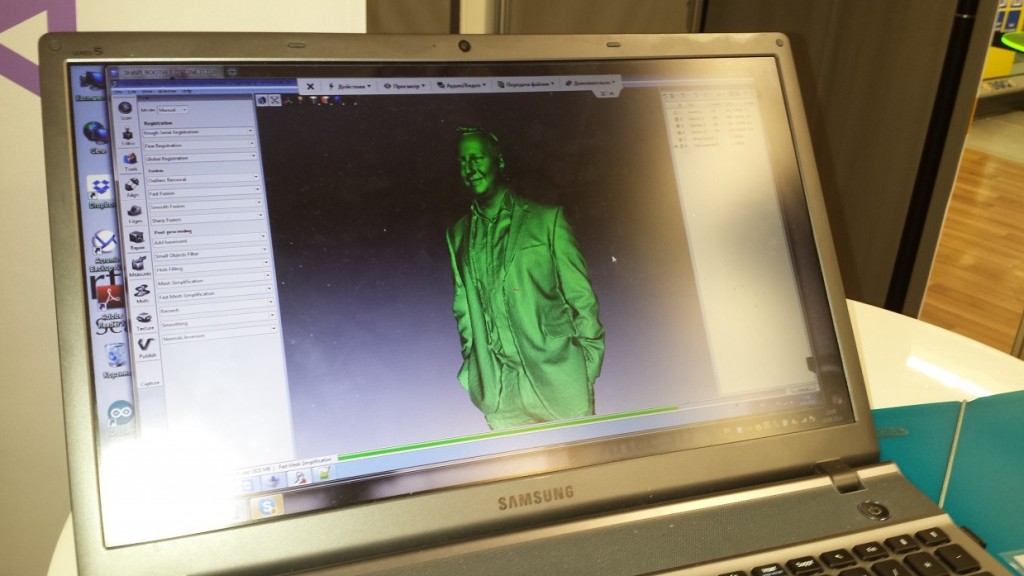
What then happens is that all of this data that has been captured about the scanned person is then fed into the computer to build a 3D model of you. Below you can see the raw data that was built from the scan of me;


3D Scanned Mini Me


The next step is for the data to be sent off to get 3D printed. Talking to the people operating the machine it was great to find out more about the underlying technology and information behind the mini me.

The 3D printed models are manufactured using an additive process, meaning that the model is built up from smaller bits opposed to carved out from a larger piece of material. I’ve previously seen these models on a recent trip to Germany, although the models were priced at around the €350 mark, which is a much larger figure than the £60 for the models in ASDA.

The difference in cost for 3D printed items simply comes down to the quality and materials that are used. For example, if you wanted a 3D mini me model in metal, then you would need to use metal powder along with a laser to bond the metal together. Both of which costs a lot more for the raw materials and also the technology to bind the material. The mini me model from ASDA is essentially made from plaster and superglue with layers built on top of each other to form the shape of the person scanned in.

What is really interesting is that the models are printed in full colour in the machine. Often with 3D printing technology such as Ultimaker you are limited to printing in one or two colours which is the reel of plastic that you are using. Going beyond a single colour with technology such as plastic 3D printing would require the printed model to undergo a paint job after the model has been printed, which would certainly add to the cost of the model.


Why would you 3D print yourself?

Why not? Seriously, this is really cool. Imagine a few different scenarios;

  • Printing family members as mementoes for loved ones who are going away for a while such as touring in the army or going travelling for a long time
  • Commemorating a significant event in your life such as winning a sporting medal, starting a new uniformed job such as in the police or fire service, or even for couples making models for their wedding cake toppers
  • Fashion designers wearing iconic clothes, friends celebrating a special occasion in fancy dress or wanting to keep a physical record of how your children are growing up

There are lots of fun reasons why you may want to keep a physical record of people in your life. It will certainly be interesting to see how this technology takes off over the next few years. Looking at the earlier prototypes below, it is clear that this technology has improved significantly over the last 12 months.


Earlier prototypes

This technology has been being trailed for almost 12 months now in various locations, although this is the most up to date technology we have come across. See what the early stage prototypes looked like and how the models were built;


3D Mini Me

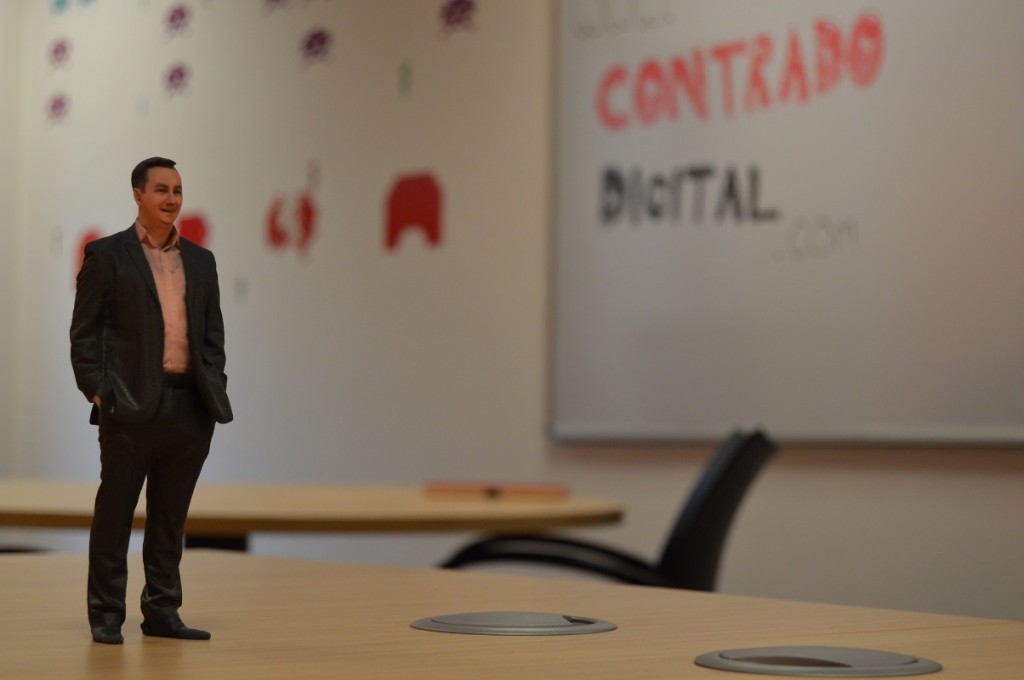
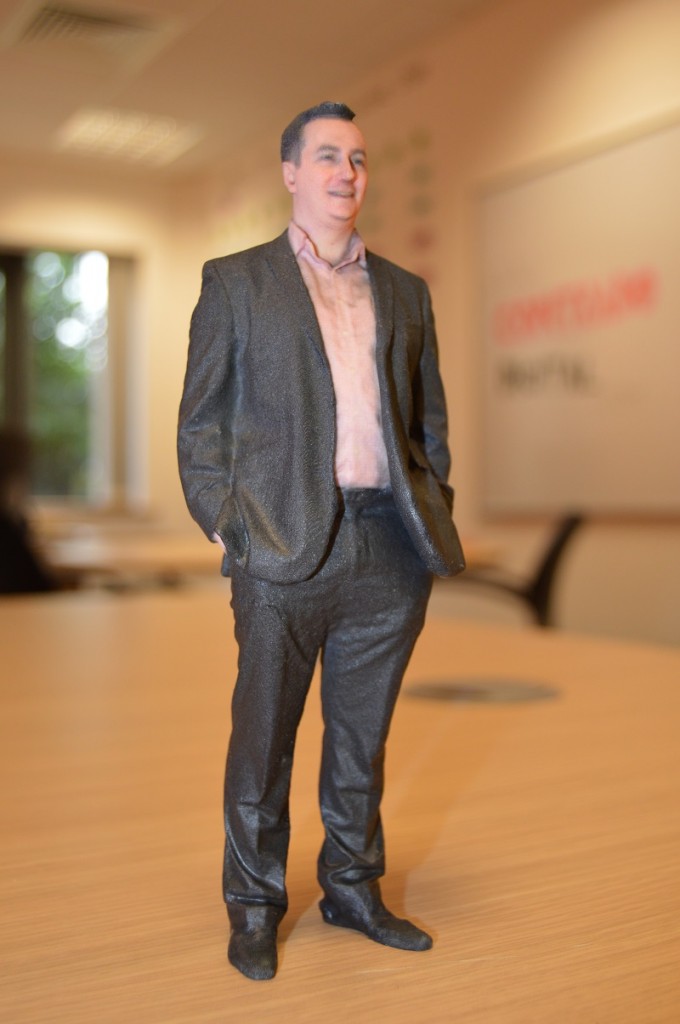
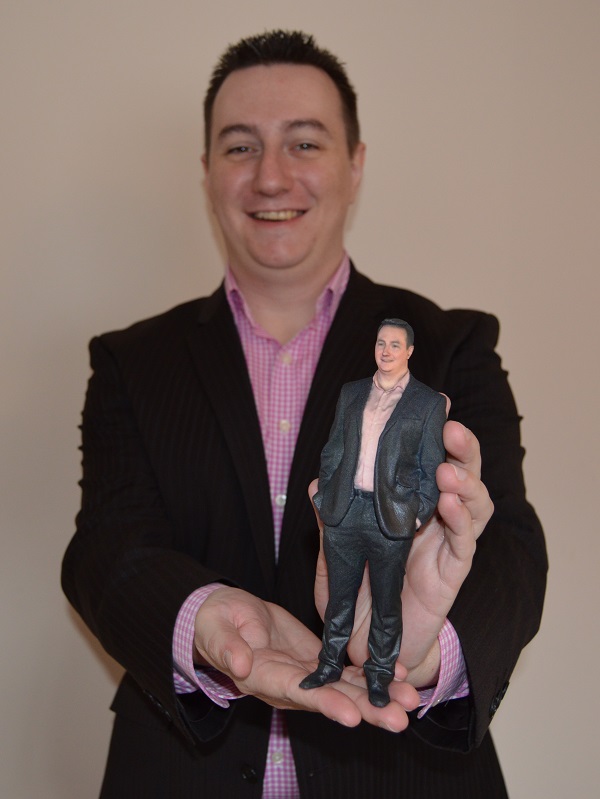
So getting to the best bit about the blog post, here is the final 3D printed mini me model;


Michael Cropper Mini Me 1


Michael Cropper Mini Me 2


Michael Cropper Mini Me 3 


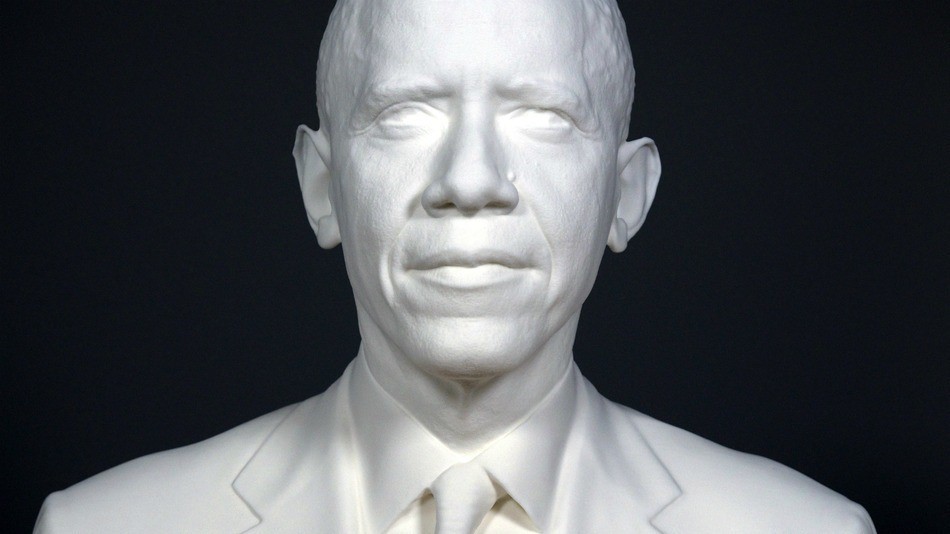
If this was to roll out in more stores throughout the UK, would you get one done? What are your thoughts about this technology? Leave a comment below. It looks like Obama has been jumping on board with this recently too;


Obama 3D Printed


On a commercial note, if any companies or people are interested in this technology for creating 3D printed mini me models, then this is something that we may be willing to look at supporting if there is significant demand. 

The Changing Face of Retail 3D Printed Mini Me

The world we live in is changing faster than ever with new technologies and ever increasing customer expectations. Retail is one area that will always be at the forefront of this change as customers are often further ahead with technology than businesses.

Over recent years we have seen supermarkets significantly expand the range of products and services they offer. Food and drink, clothing, homeware, technology, entertainment, DVDs, photos, opticians, dentists, chemists, the list goes on. Now we are starting to see 3D printing technology enter the supermarket environment.


ASDA 3D Printed Mini Me

After spotting an advert on Facebook to get a 3D printed mini me only a few miles away at Trafford Park ASDA, I thought I would head down and get one done, especially since they were at the bargain price of only £60 during the trial period. The technology behind the 3D printed models is Shapify.me which can also be used to 3D scan yourself using your Kinect at home which is amazing.


3D Printed Mini Me


This was a trial for ASDA that was running for only one week, so we couldn’t miss this opportunity to look at where this technology is heading. Especially how this technology is breaking into the supermarket customer experience. This shows that ASDA is taking this new technology seriously and is clearly testing this to see where the opportunities lie over the next few years.


Augmented Reality Mirror

Supermarkets continue to evolve and I imagine we will start to see the introduction of other really cool technology such as the augmented reality mirror that customers can use to try on make-up. Watch the cool video of this below;


How the mini me is created

To create the mini me 3D printed character, the first stage is to step into the scanning device you can see below;


3D Printed Mini Me Scanning Booth


Once you step inside you stand in the middle of the contraption which then spins around you on the circular rail you can see at the bottom of the image. Staying still and focusing on the purple dot on the wall, the device spins around you taking lots of pictures and scanning you to understand the shape of you;


Scanning Area for 3D Mini Me


What then happens is that all of this data that has been captured about the scanned person is then fed into the computer to build a 3D model of you. Below you can see the raw data that was built from the scan of me;


3D Scanned Mini Me


The next step is for the data to be sent off to get 3D printed. Talking to the people operating the machine it was great to find out more about the underlying technology and information behind the mini me.

The 3D printed models are manufactured using an additive process, meaning that the model is built up from smaller bits opposed to carved out from a larger piece of material. I’ve previously seen these models on a recent trip to Germany, although the models were priced at around the €350 mark, which is a much larger figure than the £60 for the models in ASDA.

The difference in cost for 3D printed items simply comes down to the quality and materials that are used. For example, if you wanted a 3D mini me model in metal, then you would need to use metal powder along with a laser to bond the metal together. Both of which costs a lot more for the raw materials and also the technology to bind the material. The mini me model from ASDA is essentially made from plaster and superglue with layers built on top of each other to form the shape of the person scanned in.

What is really interesting is that the models are printed in full colour in the machine. Often with 3D printing technology such as Ultimaker you are limited to printing in one or two colours which is the reel of plastic that you are using. Going beyond a single colour with technology such as plastic 3D printing would require the printed model to undergo a paint job after the model has been printed, which would certainly add to the cost of the model.


Why would you 3D print yourself?

Why not? Seriously, this is really cool. Imagine a few different scenarios;

  • Printing family members as mementoes for loved ones who are going away for a while such as touring in the army or going travelling for a long time
  • Commemorating a significant event in your life such as winning a sporting medal, starting a new uniformed job such as in the police or fire service, or even for couples making models for their wedding cake toppers
  • Fashion designers wearing iconic clothes, friends celebrating a special occasion in fancy dress or wanting to keep a physical record of how your children are growing up

There are lots of fun reasons why you may want to keep a physical record of people in your life. It will certainly be interesting to see how this technology takes off over the next few years. Looking at the earlier prototypes below, it is clear that this technology has improved significantly over the last 12 months.


Earlier prototypes

This technology has been being trailed for almost 12 months now in various locations, although this is the most up to date technology we have come across. See what the early stage prototypes looked like and how the models were built;


3D Mini Me

So getting to the best bit about the blog post, here is the final 3D printed mini me model;


Michael Cropper Mini Me 1


Michael Cropper Mini Me 2


Michael Cropper Mini Me 3


If this was to roll out in more stores throughout the UK, would you get one done? What are your thoughts about this technology? Leave a comment below. It looks like Obama has been jumping on board with this recently too;


Obama 3D Printed


On a commercial note, if any companies or people are interested in this technology for creating 3D printed mini me models, then this is something that we may be willing to look at supporting if there is significant demand.

Magento Go-ne Saying Goodbye to the Popular Platform

Magento Go is shutting down

The popular ecommerce platform Magento Go is no longer accepting new signups to the service and anyone currently using the platform will have to migrate their website by 1st February 2015. Act now to keep your business website live and working to generate traffic, sales and enquiries. Failure to act will result in your website disappearing.  


What is Magento Go?

You may have heard about the platform Magento already. What you may not be aware of is that there are three different types of Magento. Well there was. Now there are two. Magento is broken down into the three categories;

  • Magento Go: Pay monthly, hosted and managed by Magento, soon to be shut down
  • Magento Community Edition (CE): Free to use, self-hosted and managed by your web design agency
  • Magento Enterprise: Designed for high performing, fast growing ecommerce businesses

It is important to note that the announcement from Magento is only affecting the Magento Go platform and not the other versions.

Magento is an ideal ecommerce platform for your website which has been specifically designed to sell products online with ease. With over 240,000 websites being powered by Magento, it is clear to see why so many choose the platform when looking to sell products online.

The Magento Go platform was designed for small businesses to quickly start selling products online without having to understand how to build a website and all of the technical bits in the background. This can be a great starting point and is often where a lot of businesses start their journey into the digital world selling online. With Magento Go being easy to use, you would have also found that it was rather limiting in the sense that you could only customise the website so far. This is where the next step of the ladder comes into play with Magento Community Edition.


Upgrade to Magento Community Edition

Current Magento Go customers are being advised to move over to competitors of Magento Go which are BigCommerce or Shopify. Although there is another way. You chose Magento Go for a reason, you liked the platform. So why not take the next step with your website and upgrade to the Magento Community Edition platform?

The open source platform gives you full control over your ecommerce website, meaning you can customise as much as you like without limitation. No longer do you have to be restricted by what you can and can’t change on your website. The Magento Community Edition platform gives you full control to be able to do exactly what you like. 

Magento-Logo

If you would like help migrating your Magento Go website onto the Magento Community Edition platform, or even an alternative, then get in touch and we can identify which is the best solution for your business. For a lot of businesses, large changes like this can be a challenge to migrate, so we’re more than happy to discuss the options with you. We also have a demo Magento platform set up so we can give you a live demonstration for how the platform works so you can see for yourself before making any decisions. 

Magento Go-ne Saying Goodbye to the Popular Platform

Magento Go is shutting down

The popular ecommerce platform Magento Go is no longer accepting new signups to the service and anyone currently using the platform will have to migrate their website by 1st February 2015. Act now to keep your business website live and working to generate traffic, sales and enquiries. Failure to act will result in your website disappearing.  


What is Magento Go?

You may have heard about the platform Magento already. What you may not be aware of is that there are three different types of Magento. Well there was. Now there are two. Magento is broken down into the three categories;

  • Magento Go: Pay monthly, hosted and managed by Magento, soon to be shut down
  • Magento Community Edition (CE): Free to use, self-hosted and managed by your web design agency
  • Magento Enterprise: Designed for high performing, fast growing ecommerce businesses

It is important to note that the announcement from Magento is only affecting the Magento Go platform and not the other versions.

Magento is an ideal ecommerce platform for your website which has been specifically designed to sell products online with ease. With over 240,000 websites being powered by Magento, it is clear to see why so many choose the platform when looking to sell products online.

The Magento Go platform was designed for small businesses to quickly start selling products online without having to understand how to build a website and all of the technical bits in the background. This can be a great starting point and is often where a lot of businesses start their journey into the digital world selling online. With Magento Go being easy to use, you would have also found that it was rather limiting in the sense that you could only customise the website so far. This is where the next step of the ladder comes into play with Magento Community Edition.


Upgrade to Magento Community Edition

Current Magento Go customers are being advised to move over to competitors of Magento Go which are BigCommerce or Shopify. Although there is another way. You chose Magento Go for a reason, you liked the platform. So why not take the next step with your website and upgrade to the Magento Community Edition platform?

The open source platform gives you full control over your ecommerce website, meaning you can customise as much as you like without limitation. No longer do you have to be restricted by what you can and can’t change on your website. The Magento Community Edition platform gives you full control to be able to do exactly what you like. 

Magento-Logo

If you would like help migrating your Magento Go website onto the Magento Community Edition platform, or even an alternative, then get in touch and we can identify which is the best solution for your business. For a lot of businesses, large changes like this can be a challenge to migrate, so we’re more than happy to discuss the options with you. We also have a demo Magento platform set up so we can give you a live demonstration for how the platform works so you can see for yourself before making any decisions.